Why Safety
Protection
and Well-being:
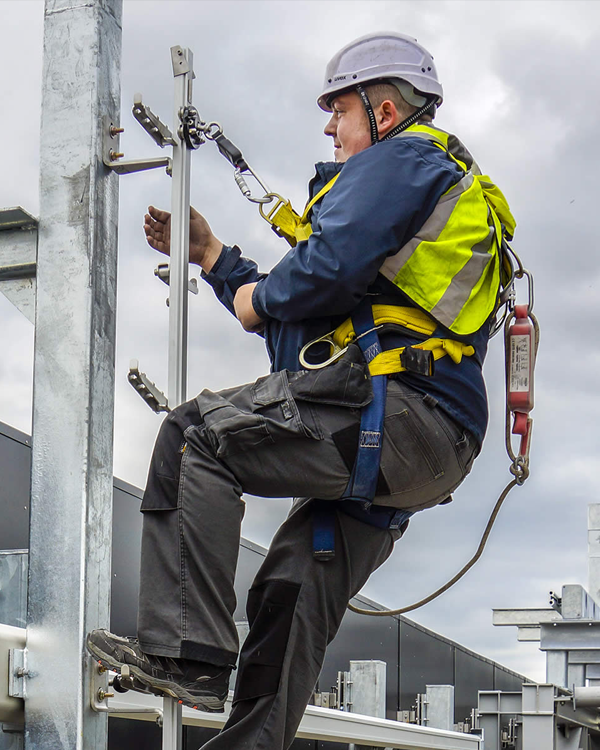
Safety measures protect individuals from physical harm, injury, and illness. Whether in the workplace, at home, or in public spaces, prioritizing safety ensures that people can go about their activities without fear of accidents or hazards. This contributes to their overall well-being and quality of life.
Health and Productivity:
Safe environments promote good health among individuals. When people feel safe and secure, they are more likely to be mentally and emotionally healthy, leading to increased productivity and engagement in their work and daily activities. This connection between safety and health underscores the importance of creating supportive environments where people can thrive.
Legal Compliance and Risk Management:
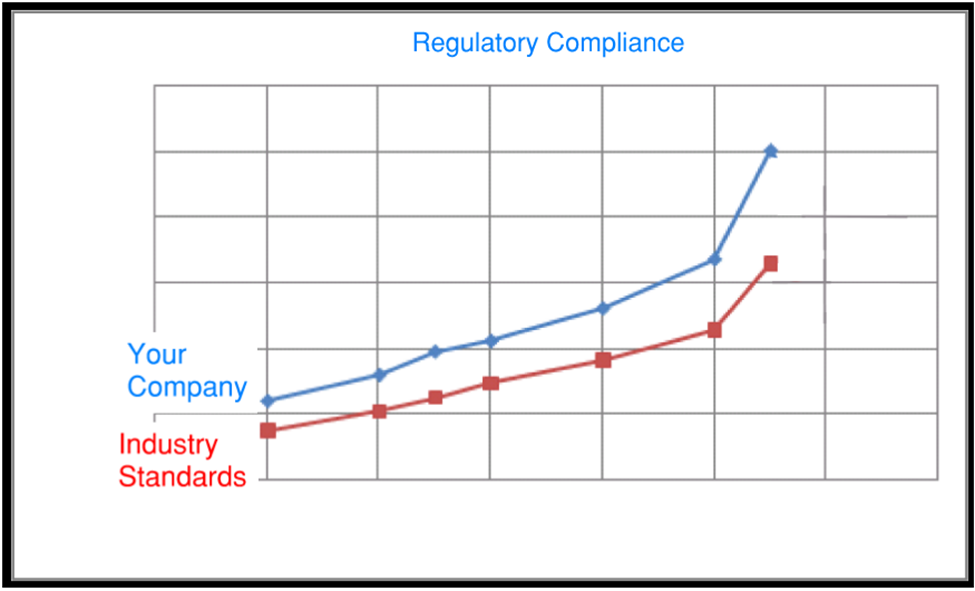
Laws and regulations set standards for safety in various contexts, such as workplaces, construction sites, and public spaces. By adhering to these standards, individuals and organizations mitigate risks and liabilities associated with accidents and injuries. Compliance with safety regulations not only ensures legal protection but also fosters a culture of accountability and responsibility.
Cost Savings
and Efficiency:
Preventing accidents and injuries through safety measures translates into cost savings for individuals, businesses, and society as a whole. By avoiding medical expenses, insurance claims, and legal fees, resources can be allocated more efficiently towards productive endeavors. Moreover, safety-conscious practices reduce downtime and disruptions, leading to improved operational efficiency and financial stability.

Reputation and Trust:
Safety is closely linked to reputation and trust. Individuals and organizations that prioritize safety earn the respect and confidence of their stakeholders, including employees, customers, investors, and the community. By demonstrating a commitment to safety, they enhance their credibility and build long-term relationships based on trust and reliability.
Ethical Considerations:
Choosing safety reflects ethical principles of care, respect, and integrity. It acknowledges the inherent value and dignity of human life, emphasizing the importance of safeguarding the well-being of others. From a moral standpoint, prioritizing safety is not just a legal obligation but a fundamental expression of ethical responsibility and social conscience.
Sustainability and Resilience:
Safety contributes to the sustainability and resilience of individuals, organizations, and communities. By investing in preventive measures and risk mitigation strategies, they create environments that can withstand unforeseen challenges and disruptions. Safety-conscious practices foster resilience by protecting resources, preserving continuity, and promoting adaptive responses to changing circumstances.