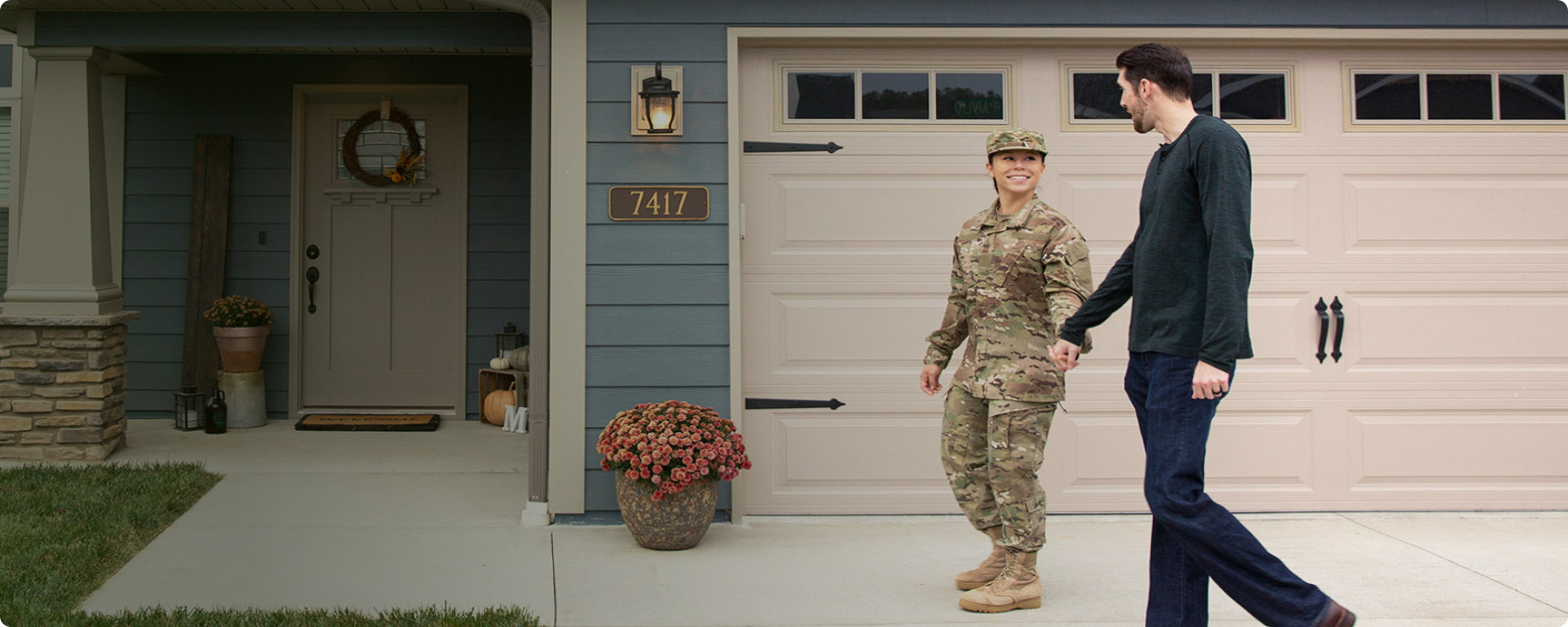
Buying a home is often one of the most significant financial decisions in a person’s life. For veterans, this journey can come with unique challenges and opportunities. With access to specialized benefits, understanding the process is crucial for a smooth experience. Here’s a step-by-step guide tailored to veterans embarking on their home-buying journey.
As a veteran, you have access to a variety of benefits, notably the VA loan program. This program offers significant advantages, including no down payment, no private mortgage insurance (PMI), and lower interest rates. Familiarize yourself with these benefits early on, as they can significantly impact your financial strategy. Start by obtaining a Certificate of Eligibility (COE) through the VA, which confirms your eligibility for a VA loan.
Before diving into house hunting, take stock of your financial health. Review your credit score and pull a credit report to ensure accuracy. Many veterans may face financial challenges, such as inconsistent income during military service, so it's important to be aware of your credit status. Additionally, calculate your budget by considering your monthly income, existing debts, and how much you can realistically allocate toward housing costs.

With your financial assessment in hand, it’s time to approach lenders for pre-approval. This step not only helps you understand how much you can afford but also strengthens your position when making offers. Choose a lender experienced with VA loans, as they can guide you through the nuances of the process and help you navigate any challenges unique to your situation.
Finding a home can be daunting, but having a skilled real estate agent can ease the process. Look for an agent familiar with working with veterans and who understands the specific nuances of VA loans. They can help you identify properties that fit your needs, negotiate on your behalf, and provide insights into local housing markets.
When you begin your home search, make a list of your must-haves and deal-breakers. Consider factors such as location, size, amenities, and proximity to schools or medical facilities. Keep in mind that the ideal home may not tick every box, but it should meet your essential needs. Be open to exploring different neighborhoods and types of homes, including single-family residences, townhomes, or condominiums.
Once you find a property that feels like home, it’s time to make an offer. Work closely with your real estate agent to craft a competitive offer that reflects the home’s value while considering the current market conditions. Ensure that your offer includes a VA loan contingency, protecting you in case the property does not appraise at the agreed-upon price.
A home inspection is a vital step in the buying process. It provides an opportunity to uncover potential issues with the property. Veterans should consider scheduling a thorough inspection, as it can save you from unexpected repairs and costs later on. If significant problems arise, you may negotiate repairs or concessions with the seller before finalizing the purchase.
Closing day marks the culmination of your home-buying journey. During this process, you will review and sign a multitude of documents, including the loan agreement and title transfer papers. Ensure you understand each document and ask questions if anything is unclear. Once completed, you’ll receive the keys to your new home, a moment that symbolizes not just a financial investment but a new chapter in your life.
Navigating the home-buying process as a veteran may seem overwhelming, but with the right preparation and support, it can also be rewarding. Utilize your VA benefits, understand your financial position, and work with professionals who understand your unique needs. Each step you take brings you closer to homeownership, providing a stable foundation for you and your family.